
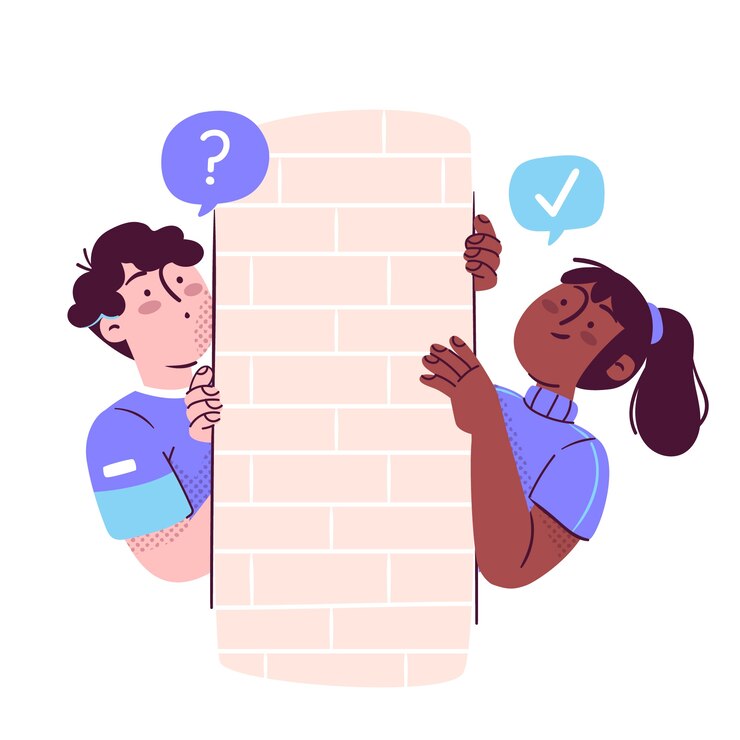
Boundaries are the limits we set in relationships to protect our well-being, sense of self, and personal freedom. They are an essential element in healthy relationships because they help define what’s acceptable behaviour, thereby establishing trust and fostering emotional safety. Without clear boundaries, we become vulnerable to mistreatment, manipulation, and emotional harm. Over time, this can lead to feelings of resentment, burnout, and overwhelm.
Types of Boundaries
Boundaries safeguard our time, energy, and emotional health. We need them in every part of life where our personal welfare could be affected. Here are three of the most common types of boundaries:
Physical Boundaries
These boundaries relate to how much personal space we need and what kinds of physical touch we’re comfortable with. For example:
- If someone stands too close and it makes you uncomfortable, you could say, “I need a little more space.”
- If you’re not comfortable with physical touch, you might say, “I prefer not to hug or be touched.”
- If a conflict is getting overwhelming, you could say, “I need to step outside for a moment to calm down. I’ll come back to continue the conversation later.”
Emotional Boundaries
Emotional boundaries protect us from being overwhelmed by others’ emotional needs, demands or moods. Some examples:
- If a friend constantly vents their problems to you without considering the impact on you, a boundary might be, “I care about you, but I need a break from talking about heavy topics.”
- If caring for someone is emotionally demanding, you could say, “I can help, but I also need to take care of my own emotional health. I need breaks to recharge.”
- If someone dismisses or belittles your feelings, you can assert, “I understand you may not agree, but my feelings are valid, and I want them to be respected.”
Mental Boundaries
Mental boundaries involve protecting your thoughts, beliefs, and overall mental well-being from external influences that cause stress or anxiety. Some examples:
- If someone repeatedly brings up topics that make you uncomfortable (like gossip), you could say, “I prefer not to engage in conversations that are negative or hurtful.”
- If others expect you to always put their needs first, a mental boundary might be, “I need to take care of myself first before helping others.”
- If someone asks for favours that stress you out, you might say, “I have to say no this time. I need to take care of my own mental health.”
How to Set Boundaries
Setting boundaries is about clearly communicating your needs and asking others to be mindful of them. Here’s how to go about it:
Defining What’s Important
Healthy relationships are built on trust, mutual respect, and emotional safety – and boundaries are key to creating that foundation. What individuals need to build trust and feel respected varies from person to person, so it’s important to take time to figure out your own boundaries. Reflecting on past relationships and behaviours that had a negative impact can help you identify what boundaries you need in future connections.
Asserting Limits
When you communicate your boundaries, it’s helpful to speak from your own perspective using “I” statements. This way, you’re expressing your feelings without blaming or accusing anyone else. It is important to hold in mind that we can only ask others to respect our boundaries; if they continue to cross your boundaries, focus on your response, not on changing them.
Honouring and Defending Your Boundaries
Sometimes, we encounter people who push against our boundaries or completely ignore our needs. Standing firm can be tough, especially when they react by guilt-tripping, shaming, or resentment. But defending your boundaries is essential to preserve emotional health. To do this, clearly communicate your limits, assertively say “no” when necessary, and remain consistent. If someone consistently disrespects your boundaries, limiting contact might be the healthiest choice for your well-being.
Conclusion
Setting and honouring boundaries is essential for maintaining healthy relationships and protecting our emotional, mental, and physical well-being. By clearly defining our limits and consistently asserting them, we create space for mutual respect and trust, ensuring that we take care of ourselves while fostering meaningful connections.